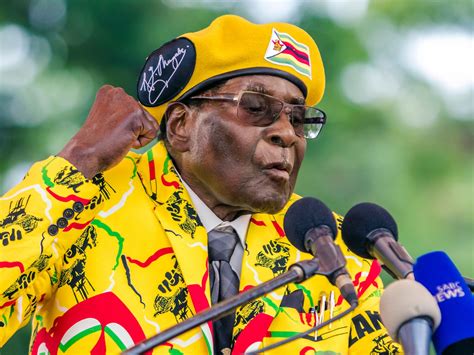
Robert G Mugabe: The Man, the Myth, the Legacy That Shook an Entire Nation! - beta
📅 April 8, 2026👤 admin
Robert G Mugabe was a pivotal leader in Zimbabwe’s transition from British colonial rule to independent nationhood, serving as Prime Minister and later President from 1980 until 2017. His tenure reshaped Zimbabwe’s political landscape through aggressive nation-building efforts, constitutional reforms, and bold economic policies—initiatives that simultaneously elevated national pride and sparked intense debate. Under his leadership, access to education expanded dramatically, infrastructure grew, and Zimbabwe gained global recognition during its early years. Yet, his rule also faced criticism for centralizing power, suppressing dissent, and economic mismanagement in later decades, creating a deeply layered legacy marked by both progress and controversy. This duality fuels ongoing reflection, making his story essential for understanding how leadership shapes national destinies
Why Robert G Mugabe: The Man, the Myth, the Legacy That Shook an Entire Nation! Is Gaining Attention Now
Why is Robert G Mugabe: The Man, the Myth, the Legacy That Shook an Entire Nation! suddenly trending in conversations about global history and political influence?
Recommended for you
Robert G Mugabe: The Man, the Myth, the Legacy That Shook an Entire Nation!
Across digital platforms and cultural discourse, a quiet but growing interest surrounds Robert G Mugabe: The Man, the Myth, the Legacy That Shook an Entire Nation! This split-feature figure has become a touchstone in discussions about post-colonial leadership, national identity, and the complex legacies of authoritarian rule. For US readers seeking clarity on historical figures whose impact transcends borders, understanding Mugabe’s role offers insight into broader themes of power, resistance, and societal transformation.
How Robert G Mugabe: The Man, the Myth, the Legacy That Shook an Entire Nation! Actually Works